Smart Steps for Planning Reliable Comfort Systems Across Seasons
Homeowners sizing up heating and cooling choices benefit from a clear game plan that connects comfort, efficiency, and upkeep. Begin by mapping the spaces you use the most, the hours they’re occupied, and the insulation quality. These details shape whether you lean toward ducted options, a mini split approach, or supplemental upgrades that tighten the building envelope before any equipment is selected or installed.
Meanwhile, scope your electrical capacity and venting paths, because these govern feasibility for furnaces, heat pumps, and water heaters. Older panels may need upgrades to support modern compressors or electric water heating. Discuss breaker space, line-set routing, condensate handling, and combustion air needs. Cleaning up these fundamentals first helps avoid rework after HVAC components arrive and prevents rushed compromises on installation day.
Beyond that, align performance targets with local climate realities. In colder zones, dual-fuel or cold-climate heat pumps can buffer winter dips, while warm regions often prioritize dehumidification and smart staging. If your home spans multiple floors or has additions, zoning can improve balance. Evaluating envelope leaks with a blower-door test informs where dollars save the most before diving into equipment changes.
Often, the workflow succeeds when you phase decisions: first insulation and air sealing, then duct assessment, and finally equipment. Duct leakage undermines new systems, so inspect and seal runs in attics and crawlspaces. Verifying return paths and supply registers in key rooms steadies temperature swings. Once airflow targets are validated, the conversation around tonnage and staging becomes far more precise and dependable.
In practice, replacement timing benefits from seasonal planning. Off-peak windows may offer more scheduling flexibility, but safety and continuity matter most. If your system limps along, document symptoms, error codes, and energy bill spikes. Technicians can then isolate root causes quickly and advise whether Heating Installation and Repair or a full system changeout is the wisest next step for your home’s profile.
However, even the best gear disappoints without correct setup. Proper line-set lengths, evacuation, charge verification, and airflow calibration safeguard longevity. For AC Installation and Repair or heat pump commissioning, technicians should record static pressure, temperature split, and refrigerant metrics. Keep those records; they become a baseline for later tune-ups and help validate warranty support if components act up down the road.
Then examine water heating choices alongside space conditioning to leverage shared infrastructure. Gas, electric, hybrid heat pump, and tankless units each have trade-offs in recovery rate, footprint, and venting. Water Heater Installation may also intersect with panel capacity and condensate routing. Plan for access clearance and service valves so maintenance tasks remain simple, quick, and free of unnecessary shutdowns.
Meanwhile, specialty systems deserve careful vetting. Geothermal Installation requires assessing soil conditions, yard access, and loop design. Mini Split Installation thrives where ducting is impractical, additions need targeted comfort, or mixed-use rooms demand flexible control. Calibrate expectations about appearance, condensate disposal, and remote management. When multiple solutions could work, document lifecycle costs and service intervals to compare them on equal footing.
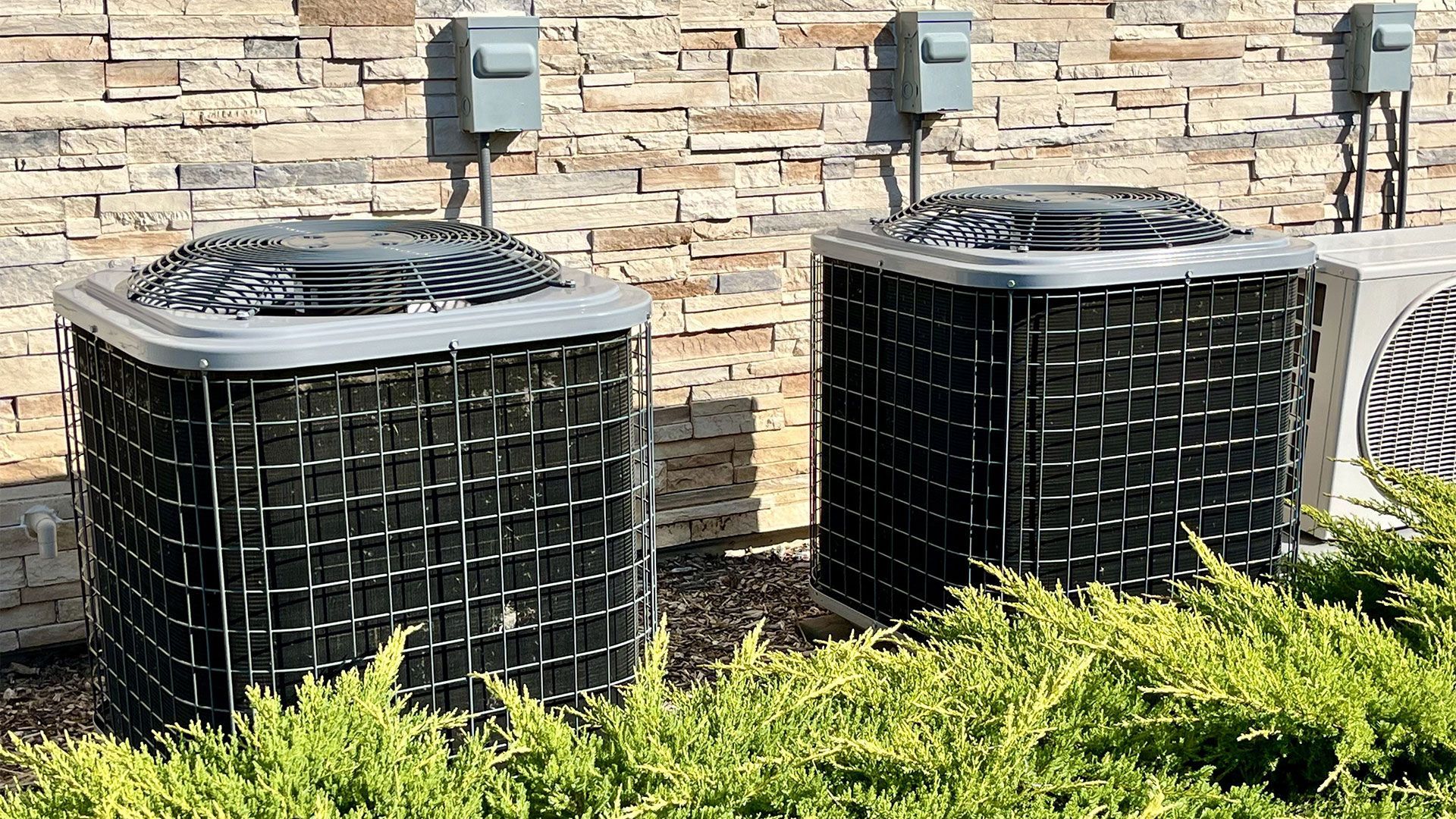
Finally, set a maintenance routine that preserves efficiency and quiet operation. Replace filters on schedule, rinse outdoor coils, and keep vegetation trimmed for airflow. Validate thermostat programming each season, and review any alerts from connected controls. A simple checklist for HVAC tune-ups, duct inspection, and drain clearing avoids small issues becoming emergencies, while maintaining the performance curve you planned from the start.
Altogether, a steady method—assess the building, refine the envelope, validate airflow, and select right-sized equipment—yields durable comfort. Keep installation notes, warranties, and model data in one folder for quick reference. As your household changes, revisit capacity and zoning. With deliberate choices and documented milestones, your system remains adaptable, quiet, and ready for whatever the next season delivers.